Draconid meteor shower in 2027
Predicted peak: According to American Meteor Society, the shower is predicted to peak on October 9, 2027, at 07:00 UTC.
When to see: The Draconid meteor shower will be best visible in the evening hours of October 8, 2027, as its radiant—the point from which the meteors appear to radiate—reaches its highest point in the sky when darkness falls. Thereafter, its altitude gradually decreases as the night progresses.
Activity period: The shower will be active from October 6 to October 10, 2027.
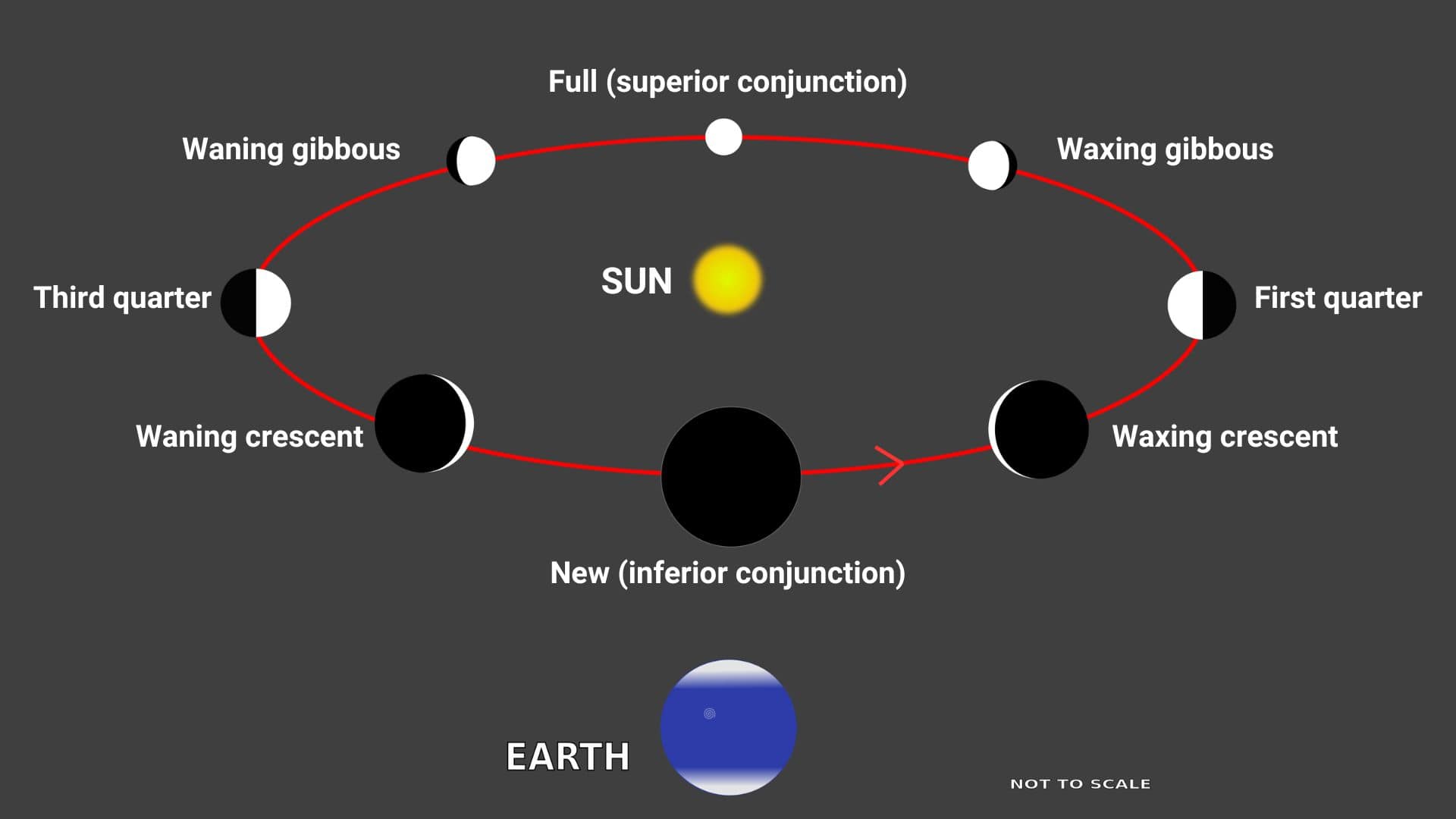
Moon phase during peak activity: In 2027, during the peak night, the moon will be in its waxing gibbous phase. As the waxing gibbous moon sets after midnight, the moonlight will interfere with the Draconids.
Expected meteors during peak activity: The Draconids are a variable shower that displays minor activity (up to 10 meteors per hour) in most years, but occasionally its rate increases significantly.
Visibility across the globe: The shower will be favorable for observers in the Northern Hemisphere, especially those located in the mid- to high-northern latitudes.
The shower will be difficult to observe from the Southern Hemisphere, where the radiant never climbs much above the horizon.
Note for observers: Draconid meteors are exceptionally slow-moving, entering Earth’s atmosphere at about 20 km/s.
The shower produced about 10,000 meteors per hour during the meteor storms of 1933 and 1946, about 700 meteors per hour in 1985 (as observed from Japan), about 720 meteors per hour in 1998 (again over Japan), about 150 meteors per hour in 2005, about 300 meteors per hour in 2011, and about 110 meteors per hour in 2018.
According to Peter Jenniskens, an astronomer at the SETI Institute and NASA’s Ames Research Center, the next enhanced activity of the Draconid meteor shower is predicted for 2030.

Radiant of the Draconid meteor shower

On the peak night, if you trace all the Draconid meteors backward, they appear to come from a particular point in the constellation Draco. Hence, the meteor shower is named after the constellation Draco.
In early October, the constellation Draco will lie in the northwestern sky during the early evening hours. The radiant of the Draconid meteor shower will appear near Vega, the fifth brightest star in the night sky.
Parent of the Draconid meteor shower
Comet 21P/Giacobini-Zinner is the parent body of the Draconid meteor shower. It is a Jupiter-family comet that orbits the sun once every 6.5 years. It reached its last perihelion (closest approach to the sun) on March 25, 2025, and will return in 2031.
French astronomer Michel Giacobini discovered this comet at the Nice Observatory in France on December 20, 1900. Later, on October 23, 1913, German astronomer Ernst Zinner rediscovered the same comet. It is now officially designated 21P/Giacobini-Zinner, honoring both astronomers.
Please bookmark Spaceandtelescope.com or follow us on Facebook and Twitter to get latest space news, upcoming skywatching events and astronomy-related content.